

What Happens in an ABA Session? A Parent’s Step-by-Step Walkthrough
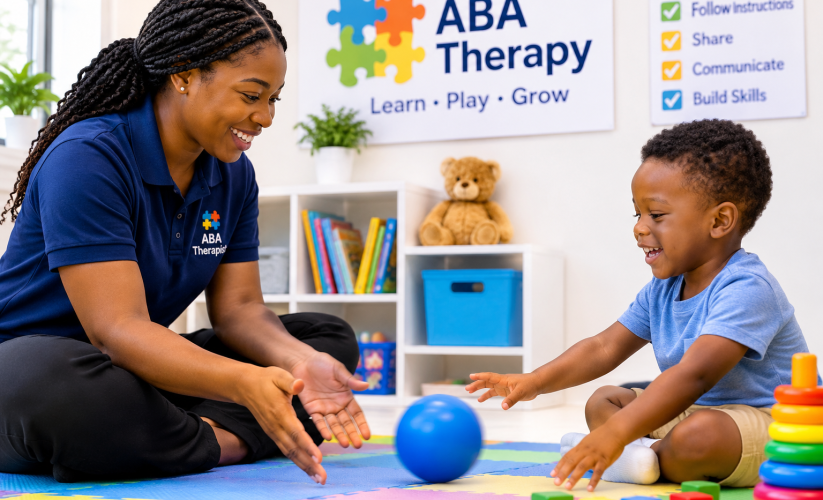
A typical ABA session is a one-on-one session, usually lasting a few hours, led by a trained therapist who follows a plan written by a board-certified behavior analyst (BCBA). It usually includes a warm-up with play, short teaching activities (at the table and during play), reinforcement such as praise or a favorite toy, breaks, data collection, and a wrap-up with notes for parents. Sessions can happen at home or in a clinic, and good sessions look more like structured play than a classroom drill.
Want to see what ABA could look like for your child?
Talk to the Twinkle Autism team in San Antonio. We’ll listen, answer your questions, and explain what to do next. No pressure, no obligation.
Request a Free Consultation or call us: 210-797-7181
If your child is about to start ABA, it’s natural to wonder what actually happens behind the door. Will it feel like school? Will my child be upset? What will I see?
This guide walks through a typical session from start to finish, so you know what to expect and what a good session looks like.
Who is in the room?
- Registered Behavior Technician (RBT): The therapist who works directly with your child. RBTs are trained and credentialed through the Behavior Analyst Certification Board (BACB), and work under the ongoing supervision of a BCBA.
- Board-Certified Behavior Analyst (BCBA): Assesses your child, writes the treatment plan, trains the technician, and reviews progress.
- You: Parents and caregivers are part of the team. Our guide to your role in ABA therapy explains how.
What a typical session looks like
Every child’s plan is different, but many sessions follow a pattern like this. The CDC describes ABA as an approach that encourages desired behaviors and discourages harmful ones, using positive reinforcement to teach skills over time.
| Stage | What happens | What you might see |
|---|---|---|
| 1. Arrival and warm-up | The therapist greets your child and starts with play your child enjoys to build trust and comfort | Games, favorite toys, songs, choice of activity |
| 2. Structured teaching | Short, focused activities on current goals, such as naming items, following directions, or asking for things | Table or floor activities, with praise or a small reward after each success |
| 3. Play-based teaching | The same skills practiced in natural moments | Pretend play, turn-taking, requesting a toy, snack-time conversation |
| 4. Daily-living practice | Real routines such as handwashing, getting dressed, or snack time | The therapist guides steps and fades help over time |
| 5. Breaks | Movement, snacks, or free play, built in throughout the session | Running, jumping, quiet time, a favorite activity |
| 6. Data collection | The therapist records what your child did, how much help they needed, and how often | Quick notes or taps on a tablet while playing |
| 7. Wrap-up and parent update | The therapist shares how the session went and what to practice at home | A summary, tips, and questions answered |
Two teaching styles you’ll hear about
Discrete trial teaching (DTT). A short, structured activity with a clear start and finish. The therapist gives a prompt (“Touch the cup”), the child responds, and the therapist gives feedback or a reward. It works well for new skills.
Natural environment teaching (NET). Teaching built into play and daily routines, driven by what your child is interested in. If your child reaches for a bubble wand, the therapist might wait for a word or sign before blowing bubbles.
Most quality programs combine both, shifting toward more play-based teaching as your child gains skills.
What reinforcement means
Reinforcement is a reward that makes a skill more likely to happen again. It’s tailored to the child: praise, a high-five, a favorite toy, a snack, a tickle, extra play time. Therapists watch what your child truly enjoys and update it often, because what motivates a child changes over time.
How long are sessions, and how many per week?
Session length and weekly hours depend on your child’s age, goals, and plan. Our guide on how many hours of ABA therapy a child needs explains the typical ranges and what sets them.
Home vs clinic: how sessions differ
- At home: Therapy happens in your own routines, with real-life practice (mealtimes, bedtime, siblings) and easier caregiver involvement.
- In a clinic: A designed space with a lot of toys, peers in some programs, and a consistent environment.
Our comparison of home-based vs clinic-based ABA can help you decide.
What the first sessions are like
The first few sessions are mostly about getting to know your child. The therapist focuses on building rapport and “pairing” themselves with fun, so your child learns that this person means good things. Goals usually come from the assessment that came first. Don’t be surprised if early sessions look like play, because they are.
If your child cries or resists at first, tell the team. A good provider will slow down, adjust, and check what’s working.
What a good session looks like
A quality session usually shows these signs:
- Your child is engaged, and often smiling, laughing, or choosing activities
- The therapist follows your child’s lead and interests
- Breaks are offered and respected
- Goals match your child’s real daily needs, such as communication, safety, and independence
- The therapist explains what they’re working on and how you can help
- Data are being collected, and progress is shared with you regularly
Modern ABA practice emphasizes your child’s comfort and consent, and some autistic adults have criticized older approaches that stressed compliance over communication. Ask any provider how they respect your child’s choices and how they handle a child saying “no” or “stop.”
Red flags to watch for
- Your child is often distressed, and the team doesn’t change anything
- Goals focus mainly on making your child “look typical” rather than on communication, learning, and independence
- No breaks, or breaks used as a reward only
- You aren’t invited to observe or get regular updates
- No clear plan, goals, or progress reports
If you see these, talk to the BCBA. If concerns continue, consider another provider. Our guide to choosing the right ABA provider includes questions to ask.
How to prepare your child (and yourself)
- Tell the team what your child loves and what upsets them
- Share routines: meals, naps, calming strategies
- Dress your child comfortably and bring a favorite item if it helps
- Plan for a calm first day, with no big events before or after
- Ask what to do during sessions: observe, step out, or join in
New to ABA? Start with what ABA therapy is and how it supports communication, social, and life skills.
Ready for a plan built around your child? Let’s talk.
Twinkle Autism supports San Antonio families with guidance on next steps, from understanding your child’s evaluation to starting ABA therapy services. Reach out today, and we’ll help you take the first step.
Book a Free Consultation or call Twinkle Autism: 210-797-7181


